Fuel use, not fat storage
We evaluate how effectively your cells utilize glucose for fuel rather than routing it directly into fat storage.
When fat loss feels impossible despite real effort, the answer is usually metabolic. We help you find and address the drivers underneath.

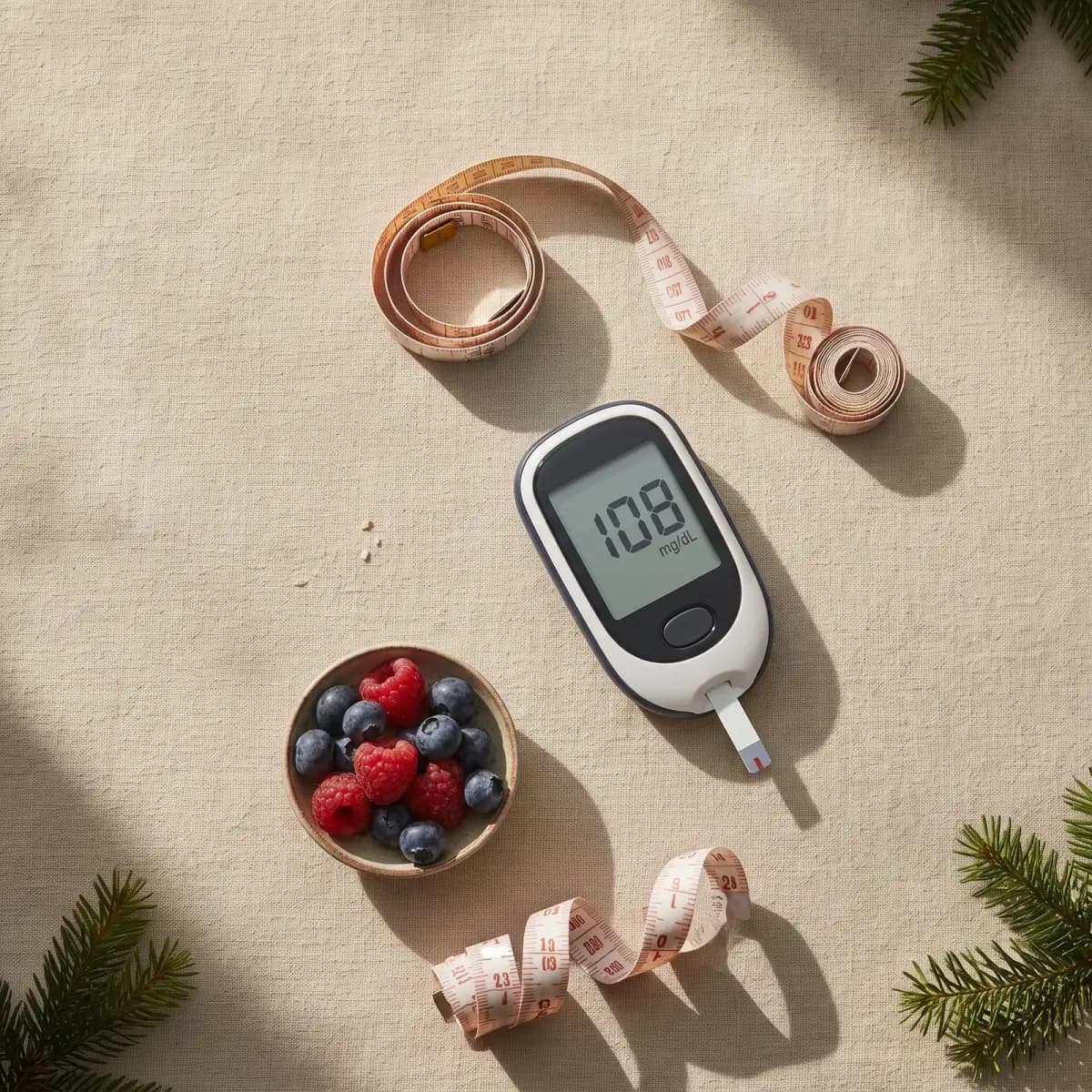
Insulin is a vital hormone that acts like a key, unlocking your cells so they can absorb glucose from your bloodstream and convert it into daily energy. When you experience insulin resistance, your cells become less responsive to this signal, effectively ignoring the key. To compensate, your body produces higher amounts of insulin to force glucose into the cells.
Over time, these persistently elevated insulin levels signal your body to stay in a constant state of energy storage, making fat loss incredibly difficult despite consistent dietary and lifestyle efforts. This is not a willpower problem. It is a physiology problem, and physiology is something we can investigate and shift.
We evaluate how effectively your cells utilize glucose for fuel rather than routing it directly into fat storage.
We assess the complex feedback loops of thyroid hormones, cortisol, and reproductive hormones that regulate your baseline metabolic rate.
We address how elevated stress signaling and sleep disturbances alter your nervous system, causing the body to hold onto energy reserves for safety.
We explore how digestive imbalances and low-grade systemic inflammation can disrupt metabolic signaling pathways.

Most weight programs ask you to eat less and move more, then leave you wondering why the scale will not budge. The reason is rarely effort. When insulin runs high, your body reads every meal as a reason to store rather than burn, and no amount of restriction overrides that signal for long.
Our goal is to support healthy insulin sensitivity and shift your physiology away from stubborn energy storage back toward optimal, sustainable vitality. Instead of relying on extreme restrictions or short-term trends, we take an objective, evidence-based deep dive into the underlying drivers of metabolic stalling. Once we understand which drivers are at play for you, your plan finally has a real target to aim at.
This comprehensive care journey is designed for individuals seeking clarity, precision, and evidence-backed strategies to optimize their body composition and cellular health, including those experiencing:
A clear, three-step path from investigation to a plan you can live with:
We gather your history, map your symptoms, and run comprehensive testing including advanced fasting insulin and glucose tracking, full thyroid panels, reproductive hormone markers, and vital nutrient markers, to build an accurate map of your unique physiology.
We evaluate five core physiological pillars: blood sugar and insulin, inflammation and immune balance, gut and liver function, nervous system and stress, and oxidative stress and nutrient stores.
We build a realistic, evidence-based plan of targeted lifestyle changes, whole-food nutrition, and research-backed protocols designed to improve insulin sensitivity and support your system.
Related care and reading, hand-picked to pair with this page.
About weight loss & insulin resistance
About the clinic
 Wellness
Searching "naturopath near me" brings up dozens of options. Here's how to check that an ND is registered, find one whose focus matches what you need, spot red flags, and know what to ask before you book.
Read article Integrative cancer care
Radiation side effects build slowly, often peak right after your last treatment, then start to ease over the following weeks. Here's what to expect for your skin and energy, what helps, and how long recovery usually takes.
Read article Thyroid health
TSH works backwards from how most people expect. High TSH usually means an underactive thyroid, and low TSH usually means an overactive one. Here's what your TSH levels actually mean, and why "normal" doesn't always mean you'll feel your best.
Read article Wellness
A naturopathic doctor is a regulated health care provider who looks for what's driving your symptoms and builds a plan around you. Here's how NDs are trained in Ontario, what a visit looks like and how we work alongside your family doctor.
Read article Integrative cancer care
On a typical 3-week chemo cycle, the first few days bring fatigue and nausea, days 7 to 14 carry the highest infection risk, and week 3 is often the recovery week. Here's what to expect after your first treatment, when to call your team and what can help.
Read article Thyroid health
The hypothyroidism symptoms in women that get missed most often are fatigue that sleep doesn't fix, brain fog, low mood, thinning outer eyebrows, constipation, muscle aches and heavier periods. They're easy to miss when only TSH is tested, or when labs are "normal" but not optimal.
Read article Integrative cancer care
For most cancers, no, not in any meaningful way. A biopsy needle can occasionally carry a small number of cells along its path, but true tumor seeding is extremely rare, and biopsies have not been shown to worsen survival in common cancers like breast cancer. The bigger risk, in almost every case, is delaying the diagnosis.
Read article IV therapy & nutrients
IV nutrient therapy isn't a replacement for medical treatment — it's a support tool. Used well, it corrects deficiencies faster than oral supplements can, bypasses a gut that's struggling to absorb nutrients, and helps the body tolerate treatment better. Used badly, it's an expensive drip with no real plan behind it. The difference is whether it's targeted to what your body actually needs.
Read articleTrue vitality means giving your body exactly what it needs, precisely where it can use it best. Let's look closely at your unique physiology, map out your needs, and seamlessly coordinate your care.