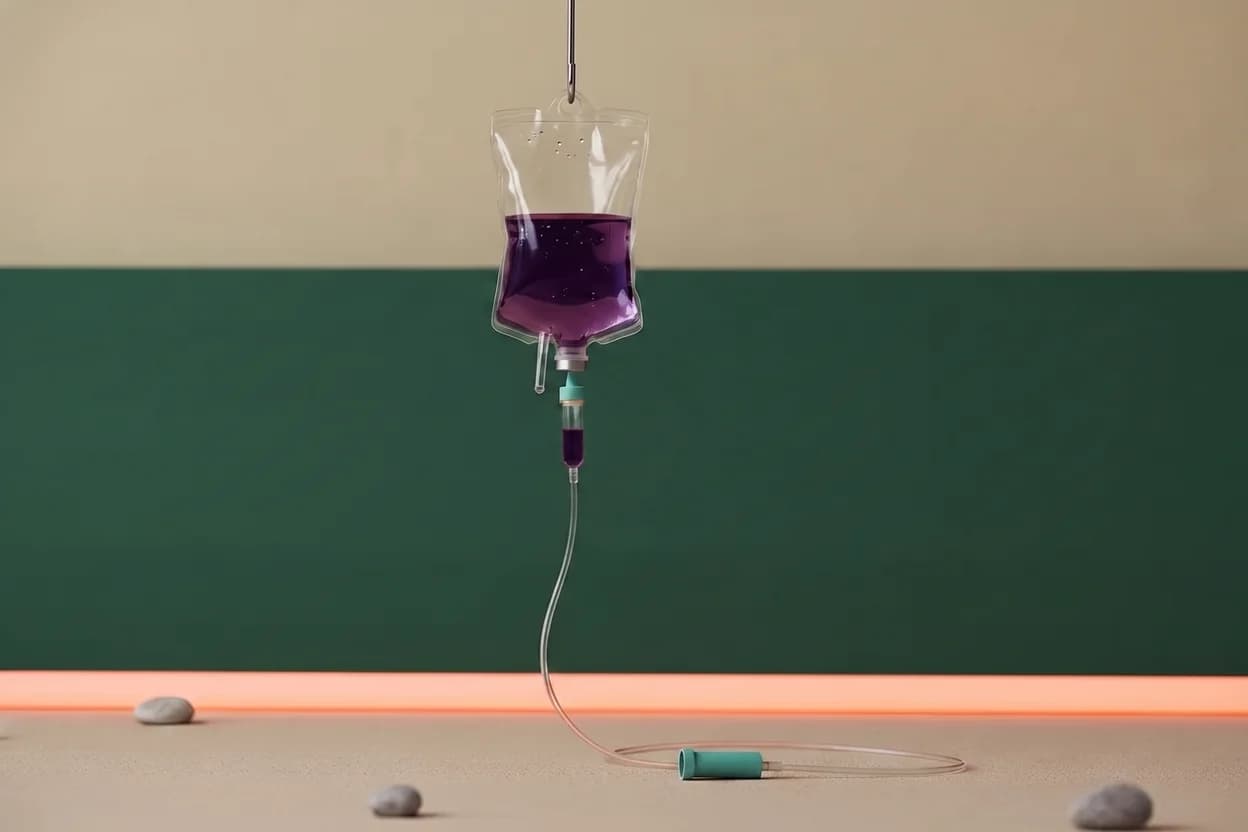
When vitamin C is taken orally, its absorption is strictly limited by the digestive tract, capping the concentrations that can actually reach your cells. Intravenous (IV) administration completely bypasses these digestive barriers, safely delivering high-dose vitamin C directly into your bloodstream to achieve levels impossible through oral supplementation alone.
At these elevated, clinical concentrations, vitamin C transitions into a powerful metabolic and systemic support tool for oncology care. It is thought to exert its action through targeted mechanisms, generating oxidative stress that is selectively toxic to cancer cells while remaining non-toxic to healthy cells, lowering systemic inflammation, interfering with tumor blood vessel formation, and supporting immune function by increasing specific white blood cells.