IV Therapy & Injections

Mistletoe Therapy

One of the most widely studied integrative oncology therapies, used alongside conventional cancer care to support immune resilience and quality of life.

Mistletoe Therapy — naturopathic care at JOSIE
MistletoeEvidence-based
VirtualOntario-wide
Evidence-based support

What mistletoe therapy is, and what it does

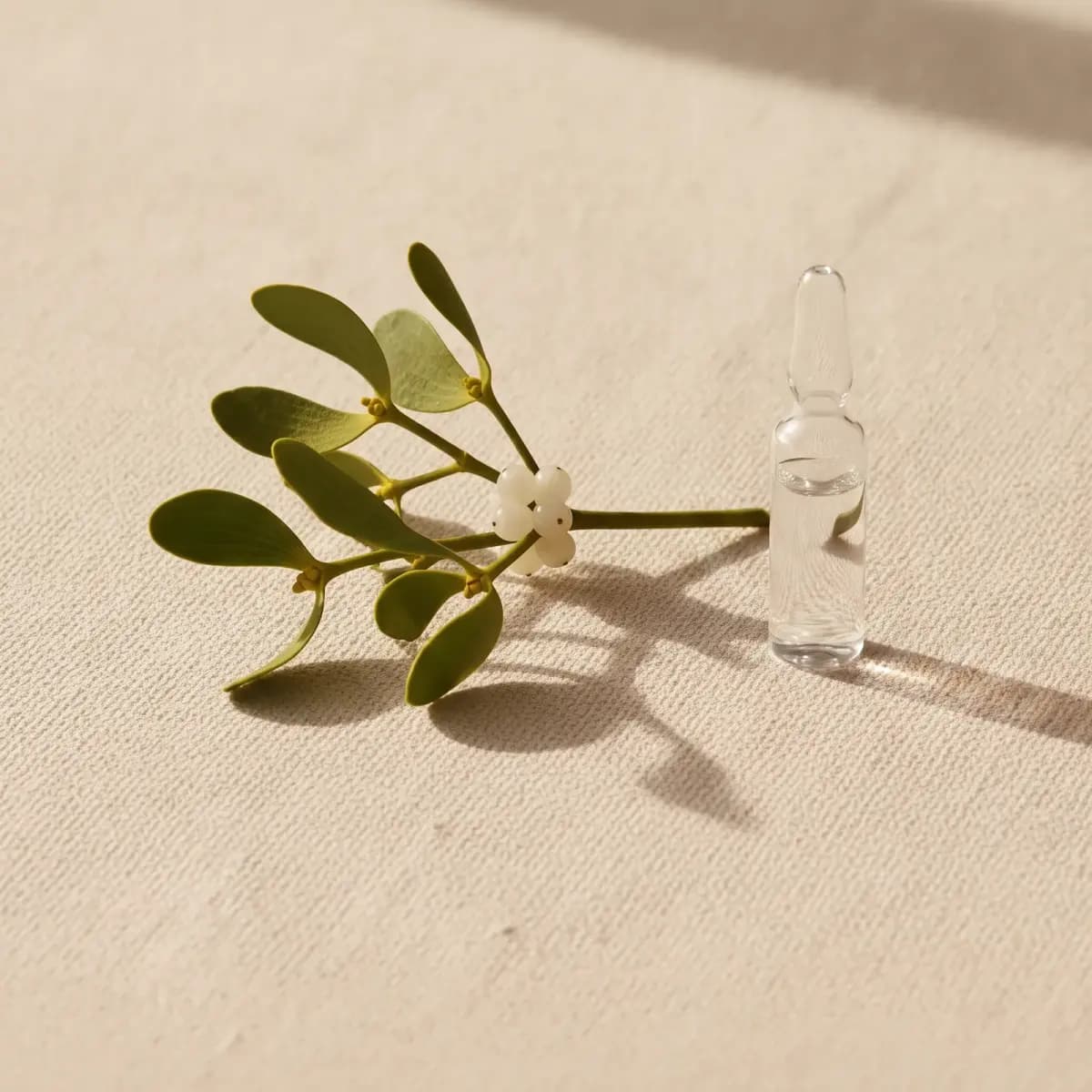
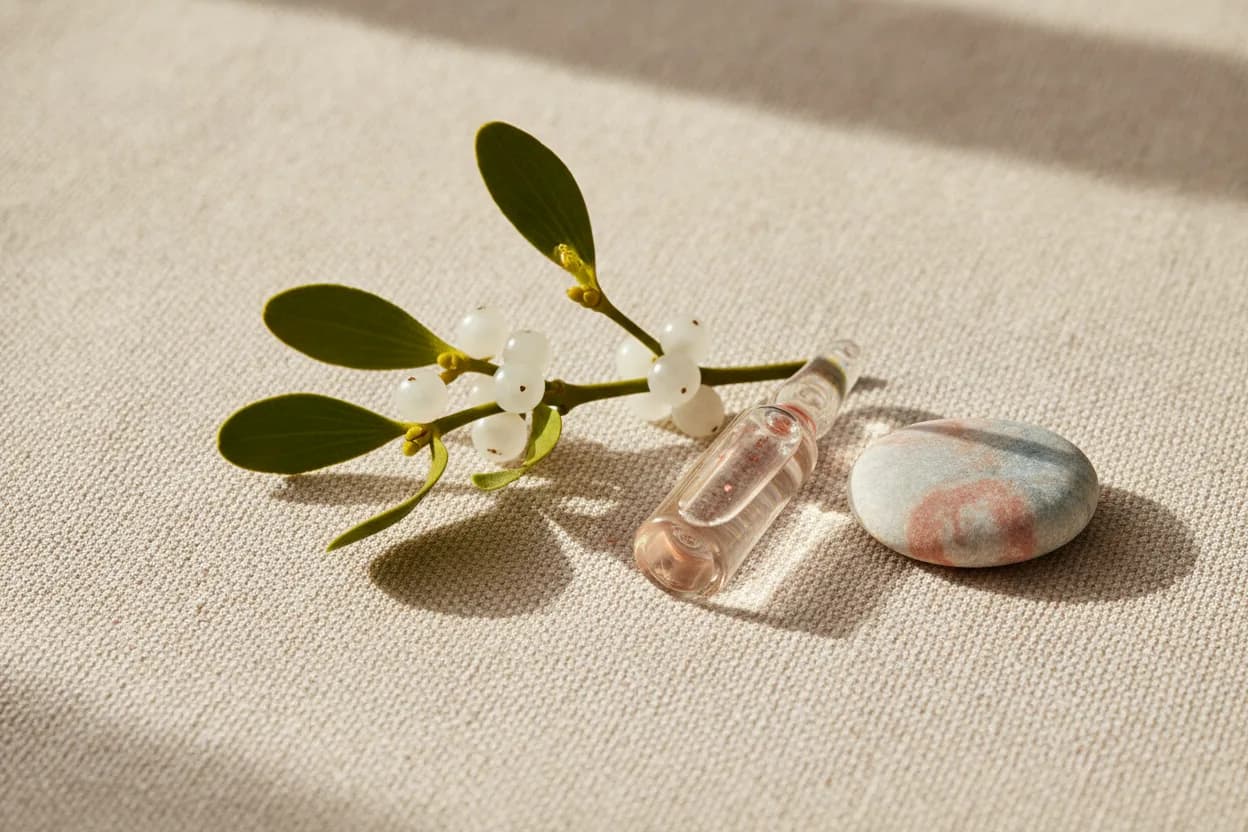
Mistletoe therapy, derived from Viscum album, is one of the most extensively studied and widely utilized integrative oncology treatments worldwide. Deeply embedded within standard European oncology frameworks, it has been used for decades alongside conventional cancer care to support the body's internal defenses and optimize physical resilience.

Rather than acting as a standalone treatment or an alternative to conventional cancer care, mistletoe functions as an adaptive, supportive protocol. It is thought to exert its action through targeted immune-modulating properties, helping to activate natural killer cells, support balanced immune surveillance, and regulate systemic immune responses in a safe, controlled way.

  • Works safely alongside chemotherapy, radiation, and surgery
  • Customizable across early-stage, advanced, and maintenance care
  • Does not interfere with the effectiveness of primary treatment
A flexible protocol

Support that adapts to every stage of care

Mistletoe therapy is a flexible protocol that can be customized across all stages of care, including early-stage, advanced, and maintenance care settings. It does not interfere with the effectiveness of primary oncology treatments, working safely alongside chemotherapy, radiation, and surgery — supporting the body's defenses without competing with the conventional treatment that targets the cancer itself.

Through JOSIE, the planning and training happen in your virtual appointments across Ontario, where your naturopathic doctor reviews your clinical history, treatment goals, and current oncology timeline to determine whether mistletoe fits your situation and which delivery method makes the most sense for you.
  • Customizable across early-stage, advanced, and maintenance care
  • Safe alongside chemotherapy, radiation, and surgery
  • Planned and trained for entirely through virtual appointments
Supportive frameworks

How mistletoe supports your care

Quality of life

Clinical trials demonstrate that mistletoe therapy consistently helps patients tolerate conventional treatments more effectively by managing significant side effects. It frequently helps reduce deep fatigue and nausea, stabilizes appetite and weight, and improves sleep quality, pain perception, and overall emotional well-being.

Long-term resilience

Following active treatment, the focus of mistletoe protocols shifts from immediate symptom support toward long-term immune surveillance. Many patients continue medical rotations of this therapy for months to years, using it as a proactive strategy to strengthen systemic resilience and help reduce the risk of cancer recurrence.

Improved outcomes

Large retrospective cohort studies evaluating long-term survival across multiple cancer types demonstrate significantly higher 10-year survival rates for patients who integrated mistletoe therapy alongside standard care compared to those who did not.

Administration

Two ways mistletoe is delivered

Treatment is individualized to your history, goals, and oncology timeline. Depending on your needs, mistletoe is given one of two ways:

  • Subcutaneous self-injections at home: the primary and most common delivery method is a tiny, subcutaneous injection. Since this therapy requires a specific frequency and dosing schedule, we provide comprehensive, step-by-step injection training virtually during a follow-up appointment, then you administer these simple injections yourself with regular check-ins to monitor your response and adjust your dosing schedule over time.
  • Intravenous (IV) infusion therapy: when clinically indicated under medical supervision, mistletoe can also be administered intravenously. These higher-concentration sessions are utilized to achieve specific therapeutic outcomes during particular windows of your care timeline.
  • Home training is built into your online follow-ups, and IV sessions are coordinated for you at our Toronto partner lounge.
Across your timeline

Mistletoe at every stage of care

During active treatment

Used alongside chemotherapy, radiation, and surgery, mistletoe helps many patients tolerate treatment better by easing fatigue and nausea and stabilizing appetite and weight.

Into survivorship

After active treatment, the focus shifts to immune surveillance. Many patients continue medical rotations for months to years as a proactive strategy to strengthen resilience.

Carefully monitored

Whether by home injection or IV, your dosing schedule is adjusted over time through regular virtual check-ins so the therapy keeps matching your response and goals.

How it's delivered

From virtual training to home and IV care

Whether you self-inject at home or receive IV sessions, the delivery is coordinated around you:

IV Therapy & Injections
  • The most common method is a tiny subcutaneous injection given on a specific schedule from home.
  • We provide comprehensive, step-by-step training virtually during a follow-up, so you can administer the injections yourself once you feel comfortable.
  • Regular virtual check-ins let your naturopathic doctor monitor your response and adjust your dosing over time.
  • When IV infusion is clinically indicated, higher-concentration sessions are coordinated for you at our Toronto partner clinic.

Common questions

About mistletoe therapy

About the clinic

Latest articles

From the JOSIE journal

Notebook, brass magnifying glass and folded city map on a desk, for a post on choosing a naturopath in TorontoWellness

How to Choose a Naturopath in Toronto and the GTA

Searching "naturopath near me" brings up dozens of options. Here's how to check that an ND is registered, find one whose focus matches what you need, spot red flags, and know what to ask before you book.

Read article
Unlabelled jar of cream, aloe leaf and cotton cloth on linen, for a post on radiation therapy side effects and skin careIntegrative cancer care

Radiation Side Effects: Skin, Fatigue and Recovery

Radiation side effects build slowly, often peak right after your last treatment, then start to ease over the following weeks. Here's what to expect for your skin and energy, what helps, and how long recovery usually takes.

Read article
Brass dial gauge beside a blood test tube on linen, for a post explaining TSH levelsThyroid health

TSH Levels Explained: High, Low and "Normal"

TSH works backwards from how most people expect. High TSH usually means an underactive thyroid, and low TSH usually means an overactive one. Here's what your TSH levels actually mean, and why "normal" doesn't always mean you'll feel your best.

Read article
Naturopathic doctor's desk with a stethoscope, amber tincture bottles, dried herbs and a lab test tubeWellness

What Does a Naturopathic Doctor Actually Do?

A naturopathic doctor is a regulated health care provider who looks for what's driving your symptoms and builds a plan around you. Here's how NDs are trained in Ontario, what a visit looks like and how we work alongside your family doctor.

Read article
Comfort items for chemo on a side table: knit blanket, ginger tea, water bottle, notebook and fresh mintIntegrative cancer care

Chemo Side Effects Week by Week: What to Expect

On a typical 3-week chemo cycle, the first few days bring fatigue and nausea, days 7 to 14 carry the highest infection risk, and week 3 is often the recovery week. Here's what to expect after your first treatment, when to call your team and what can help.

Read article
Cream stone thyroid sculpture with a journal, herbal tea and eucalyptus on linen, for a post on hypothyroidism symptoms in womenThyroid health

Hypothyroidism Symptoms in Women That Get Missed

The hypothyroidism symptoms in women that get missed most often are fatigue that sleep doesn't fix, brain fog, low mood, thinning outer eyebrows, constipation, muscle aches and heavier periods. They're easy to miss when only TSH is tested, or when labs are "normal" but not optimal.

Read article
Editorial still life of a biopsy needle, specimen vial, pathology slides, and medical imaging on a warm neutral surface.Integrative cancer care

Can a Biopsy Make Cancer Spread? Separating Fear From Evidence

For most cancers, no, not in any meaningful way. A biopsy needle can occasionally carry a small number of cells along its path, but true tumor seeding is extremely rare, and biopsies have not been shown to worsen survival in common cancers like breast cancer. The bigger risk, in almost every case, is delaying the diagnosis.

Read article
An editorial still life photograph on a linen surface featuring five focused glass ampoules, an amber dropper bottle, a stone, and a botanical seed pod. In the background, a distinct IV bag containing golden fluid is visible. Soft natural window light with olive branch shadows bridges clinical precision with grounded, warm wellness. Shot for a blog post on targeted IV therapy.IV therapy & nutrients

How IV Nutrient Therapy Fits Into a Complete Treatment Plan

IV nutrient therapy isn't a replacement for medical treatment — it's a support tool. Used well, it corrects deficiencies faster than oral supplements can, bypasses a gut that's struggling to absorb nutrients, and helps the body tolerate treatment better. Used badly, it's an expensive drip with no real plan behind it. The difference is whether it's targeted to what your body actually needs.

Read article

Ready to optimize your treatment plan with targeted, data-driven support?

True vitality means giving your body exactly what it needs, precisely where it can use it best. Let's look at your health data virtually, map out your needs, and seamlessly coordinate your in-person and home-based therapies.

Explore our care
Contact