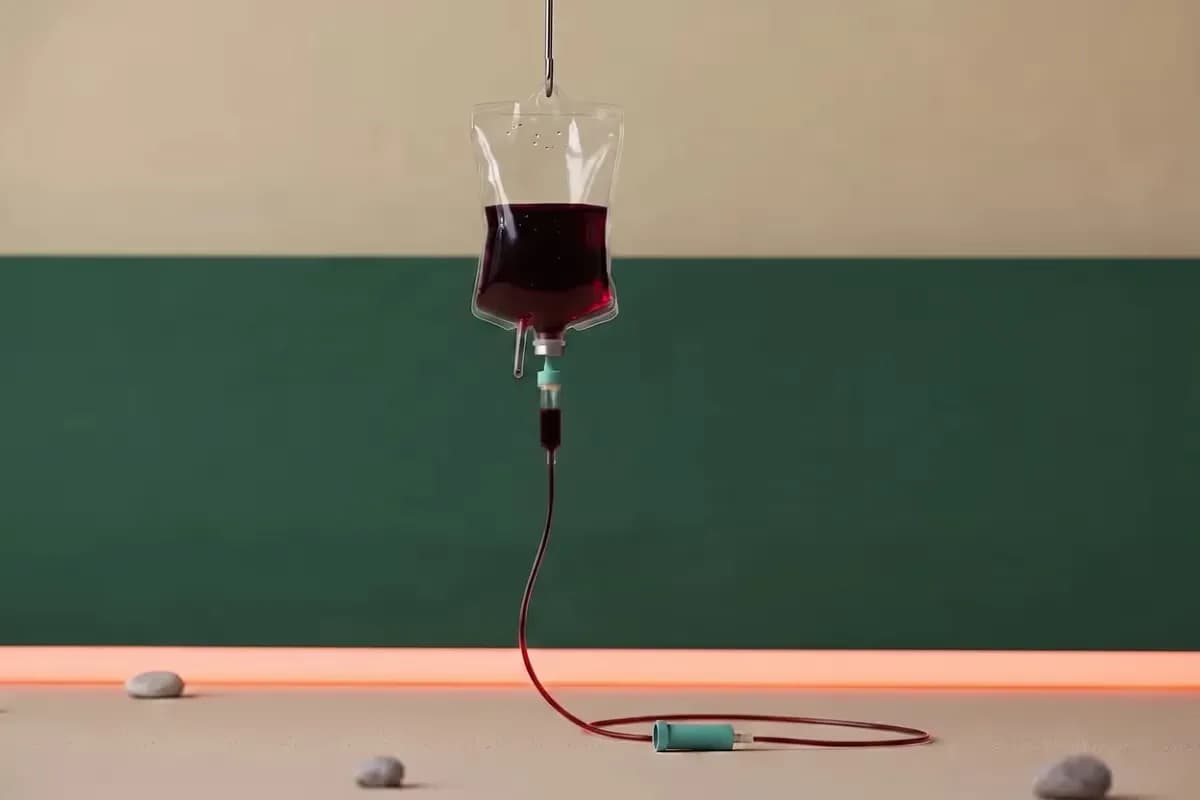
Iron deficiency is one of the most common, and most commonly missed, problems in women's health. It's estimated that around 1 in 3 women worldwide are iron deficient, and even when someone is significantly low, oral iron isn't always enough, isn't always tolerated, and isn't always fast enough to actually fix the problem.
The goal was never to reach a bigger number on a lab report. It's to actually feel like yourself again — and for a real number of people, that requires more than another bottle of oral iron.
That's where IV iron comes in. Here's what it actually involves, who it tends to make sense for, and what the safety data really shows.
Who is actually a candidate for IV iron?
IV iron isn't a first-line option for everyone with low iron — oral iron remains appropriate for a lot of people. It tends to become the right conversation when one or more of these apply:
- Oral iron hasn't worked. Roughly three months of oral iron with little to no meaningful rise in ferritin, or ongoing symptoms despite supplementing.
- Oral iron isn't tolerated. Significant GI side effects (a very common reason people quietly stop taking it) or an allergy.
- Absorption is compromised. Conditions like celiac disease, inflammatory bowel disease, or a history of bariatric surgery can all limit how much oral iron actually gets absorbed, regardless of dose.
- The timeline matters. Significant, ongoing iron loss (heavy menstrual bleeding, for example) where oral intake can't keep pace, or a need for faster repletion because of how much the deficiency is affecting daily function.
- Pregnancy, after the first trimester. Particularly later in pregnancy, when iron demand rises sharply and there isn't time left for a slow oral correction.
- Before or after a planned surgery, to reduce the likelihood of needing a blood transfusion.
What symptoms actually bring people in?
Low iron shows up in ways that are easy to attribute to something else — stress, aging, "just being busy." The most common reasons people end up getting properly investigated tend to cluster around four things: persistent fatigue, low mood, brain fog or difficulty concentrating, and hair loss. Shortness of breath, feeling unusually cold, restless legs, and heart palpitations are common companions.
None of these are exclusive to low iron. But when they show up together and iron hasn't been fully investigated, it's worth putting on the list.
How is IV iron actually different from taking a pill?
Oral iron has to survive digestion, and how much your body actually absorbs varies a lot from person to person. IV iron skips that step entirely, delivering iron directly into the bloodstream, where it's picked up by the body's normal iron-handling process and used to rebuild both storage (ferritin) and active red blood cell production over the following weeks.
There isn't just one type of IV iron, either. The formulations available differ in how tightly the iron is bound, how long they stay in the body, and how quickly they release iron, which is part of what determines dosing, infusion time, and safety profile. This is also why formulations aren't interchangeable, and why the right one depends on your specific situation, not a one-size-fits-all default.
Is IV iron actually safe?
This is the question that tends to create the most hesitation, so it's worth being precise about the actual numbers rather than the general fear.
Modern IV iron formulations are considerably safer than earlier generations used decades ago, which were associated with a meaningfully higher rate of reactions and largely shaped the outdated reputation IV iron still carries. With current formulations:
- True anaphylaxis is rare — reported at fewer than 1 in 200,000 infusions.
- A milder, non-allergic reaction (sometimes called a Fishbane reaction) — flushing, chest tightness, or joint aches during the infusion — is more common, occurring in roughly 1 in 200 infusions, and typically resolves quickly once the infusion is paused.
- Low phosphate levels (hypophosphatemia) can occur with certain formulations, particularly with repeated or higher-dose infusions. It's usually mild, without symptoms, and resolves on its own within roughly two to three months. It's not something low-risk patients need to be routinely screened for, but it's worth knowing about if you're having repeated infusions close together.
What about IV iron during pregnancy?
IV iron is generally considered safe and effective in the second and third trimesters when oral iron isn't tolerated, isn't being absorbed well, or repletion needs to happen faster than pills allow. There have been rare case reports of transient fetal heart rate changes during or shortly after an infusion, thought to be related to a temporary shift in blood flow to the placenta. When this occurs, it typically resolves quickly once the infusion is paused and the patient is repositioned.
This has to be weighed against the other side of the equation: untreated iron deficiency in pregnancy carries its own real risks, including preterm birth, low birth weight, and a higher risk of significant bleeding at delivery. For most people, that's exactly why the conversation with your provider matters — it's a genuine risk-versus-benefit decision, not a reason to avoid treatment reflexively.
The bottom line
IV iron isn't the aggressive last resort it's sometimes made out to be, and it isn't a casual wellness add-on either. It's a well-studied clinical tool for a specific problem: iron deficiency that oral iron can't fix fast enough, well enough, or at all for a given person. The real safety data supports it far more than the reputation it's still carrying from earlier, less refined formulations.